

Introduction
Kyoto, Japan, is a city where history is lived daily through rituals, architecture, and the beauty of its seasons. As the former imperial capital for over a thousand years, Kyoto remains the heart of Japanese culture and offers travelers an immersive journey through time. In 2026, Kyoto enchants visitors with its blend of timeless temples, vibrant urban life, and breathtaking traditional gardens, especially in autumn. From serene Zen landscapes to bustling streets filled with modern creativity, a Kyoto travel experience offers a nuanced and authentic glimpse into Japan.
Why Visit Kyoto in 2026
Kyoto stands apart from other Japanese cities by preserving its cultural soul while embracing the present. Visitors are drawn by its world-renowned religious landmarks, seasonal natural beauty, and culinary excellence. The city is home to numerous UNESCO World Heritage Sites, historic geisha districts, and refined gastronomy that reflects centuries of tradition. Whether walking beneath crimson torii gates or enjoying a carefully prepared meal, Kyoto reveals Japan’s identity through detail, discipline, and quiet elegance.
Top Experiences in Kyoto
One of the most iconic experiences in Kyoto travel is visiting Kinkaku-ji, the Golden Pavilion, whose shimmering reflection symbolizes harmony between nature and architecture. Equally unforgettable is Fushimi Inari Taisha, famous for its thousands of vermilion torii gates that wind through forested hills, offering both spiritual insight and scenic beauty.
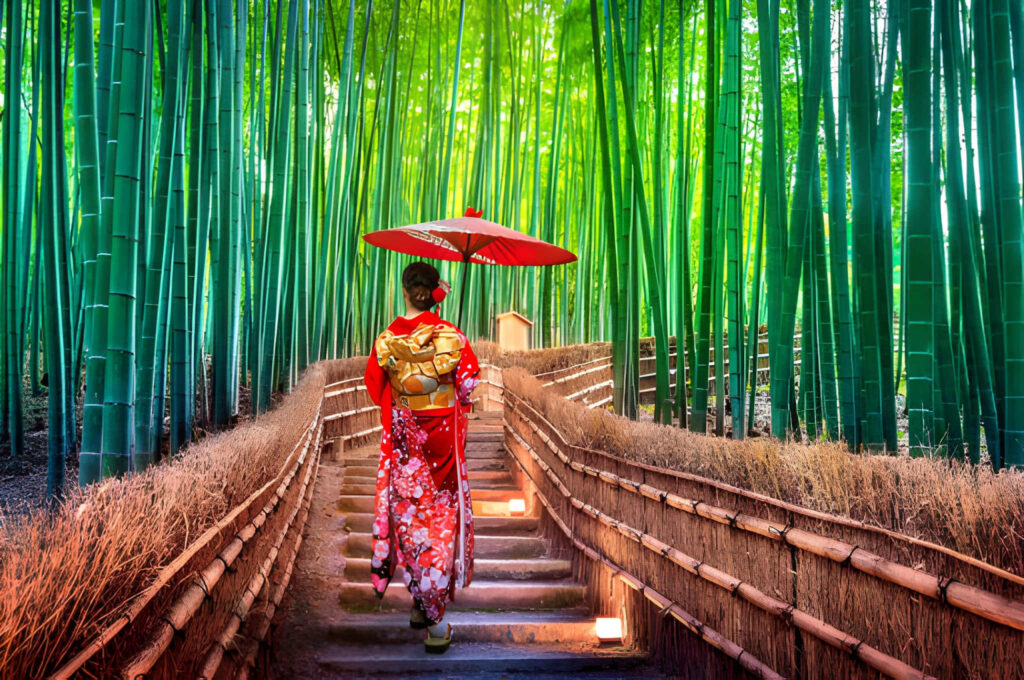
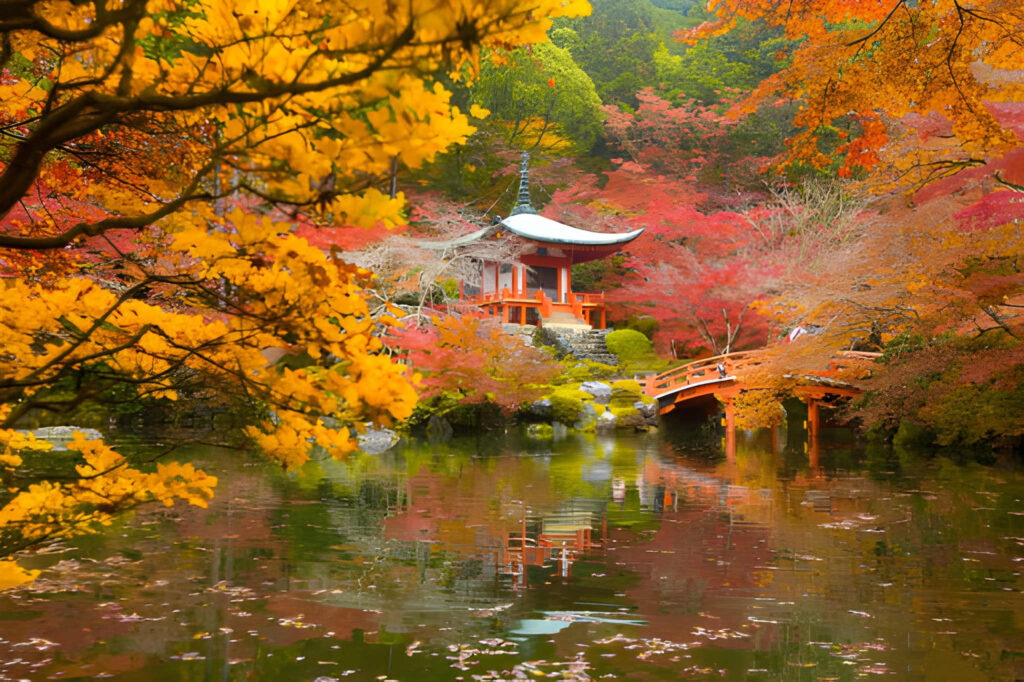
Nature lovers will appreciate a stroll through the Arashiyama bamboo forest, where towering stalks create a calming, almost meditative atmosphere. In autumn, the Philosopher’s Path becomes a living painting, lined with fiery maple leaves reflecting on quiet canals.
Evenings in Gion, Kyoto’s historic geisha district, reveal lantern-lit streets and traditional wooden facades, while Kyoto’s cuisine invites travelers to explore kaiseki ryori, a refined multi-course dining experience rooted in seasonality and balance. Participating in a traditional tea ceremony or visiting preserved machiya houses further deepens the cultural connection.
Food in Kyoto: A Cultural Experience
Food in Kyoto is an essential expression of Japanese culture. The city is known for its emphasis on seasonal ingredients, subtle flavors, and artistic presentation. Kaiseki cuisine embodies philosophical concepts of harmony and impermanence, while local sweets and matcha-based treats showcase Kyoto’s rich tea traditions. From refined dining to modest neighborhood eateries, Kyoto offers a diverse range of culinary experiences that are both elegant and approachable.
Practical Tips for Visiting Kyoto
Kyoto is best visited in spring or autumn, when cherry blossoms or autumn foliage enhance the beauty of temples and traditional gardens. Purchasing a day pass makes temple hopping convenient and affordable, and modest dress is recommended when visiting religious sites. Public transportation is efficient, with buses and rail lines connecting key attractions and offering easy access to nearby cities such as Nara. Accommodation ranges from mid-range ryokan and machiya stays to modern hotels, making Kyoto accessible for different budgets.
Conclusion
Kyoto is more than a destination; it is an experience shaped by centuries of tradition and thoughtful adaptation. In 2026, the city continues to embody the essence of Japanese culture, where ancient temples coexist with contemporary life, and nature follows a poetic rhythm through the seasons. Whether drawn by spiritual landmarks, traditional gardens, or unforgettable food in Kyoto, travelers will find a city that invites reflection, discovery, and lasting inspiration. Kyoto travel remains a timeless journey into the soul of Japan.