

The Faroe Islands are the kind of destination that can make you forget about your everyday routine. Located in the North Atlantic between Iceland and Norway, this remote archipelago is known for dramatic cliffs, green mountains, small villages, narrow roads and an ever-changing sky.
Made up of 18 main islands, the Faroe Islands offer a very different experience from traditional European holidays. Instead of crowded attractions and busy city centres, visitors come here for nature, hiking, wildlife, local culture and the feeling of being somewhere truly remote.
If you are planning a Faroe Islands travel adventure, this guide will help you understand what makes the destination special and what you should see during your stay.
Why Visit the Faroe Islands?
One of the biggest reasons to visit the Faroe Islands is the landscape. Mountains rise directly from the ocean, waterfalls disappear over cliffs, and colourful houses sit between green hills and the sea.
The islands are especially attractive to travellers who enjoy outdoor adventures. Hiking is one of the best ways to experience the scenery, with trails leading to viewpoints, villages, cliffs and remote parts of the archipelago.
The atmosphere is another part of the attraction. Life moves at a slower pace here, and the weather constantly changes the appearance of the landscape. A sunny morning can become foggy and windy a few hours later, creating completely different views of the same place.
The official tourism board describes the Faroe Islands as an archipelago of 18 mountainous islands in the North Atlantic, with a landscape shaped by dramatic cliffs, valleys and the ocean.
Best Things to Do in the Faroe Islands
There is no shortage of things to do in the Faroe Islands, particularly if you enjoy nature.
1. Explore Tórshavn
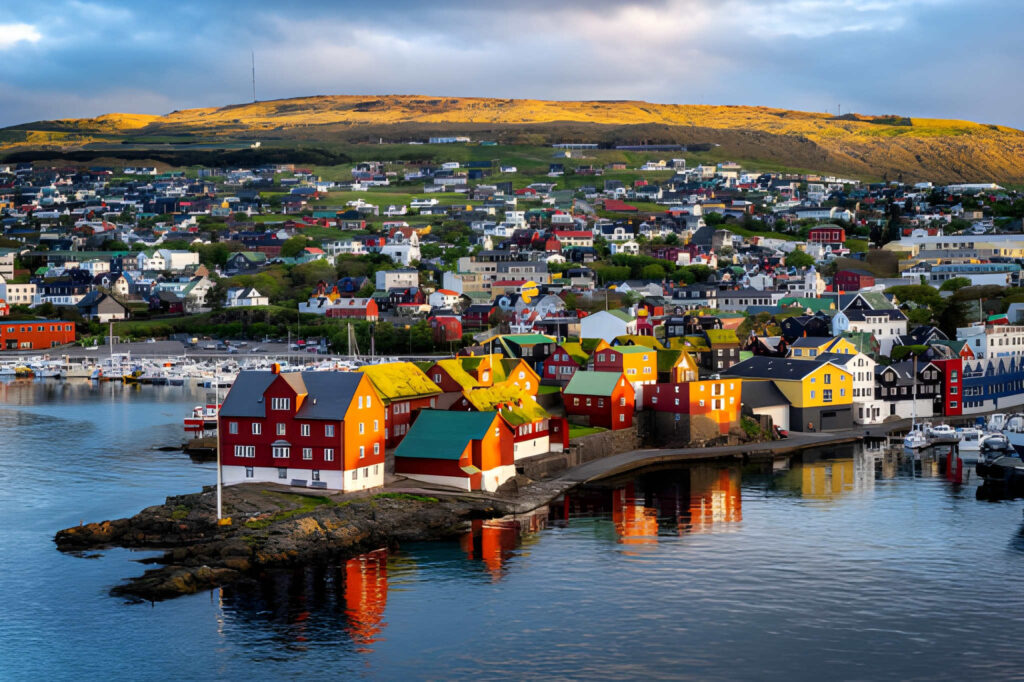
Tórshavn is the capital of the Faroe Islands and a natural starting point for your trip.
Although it is small compared with other European capitals, Tórshavn has its own character. You can walk through the historic streets, discover traditional Faroese architecture, visit local cafés and restaurants, and use the city as a base for exploring nearby islands.
Take your time rather than trying to see everything in a few hours. The charm of Tórshavn is in its atmosphere and everyday life.
2. Go Hiking in the Faroe Islands
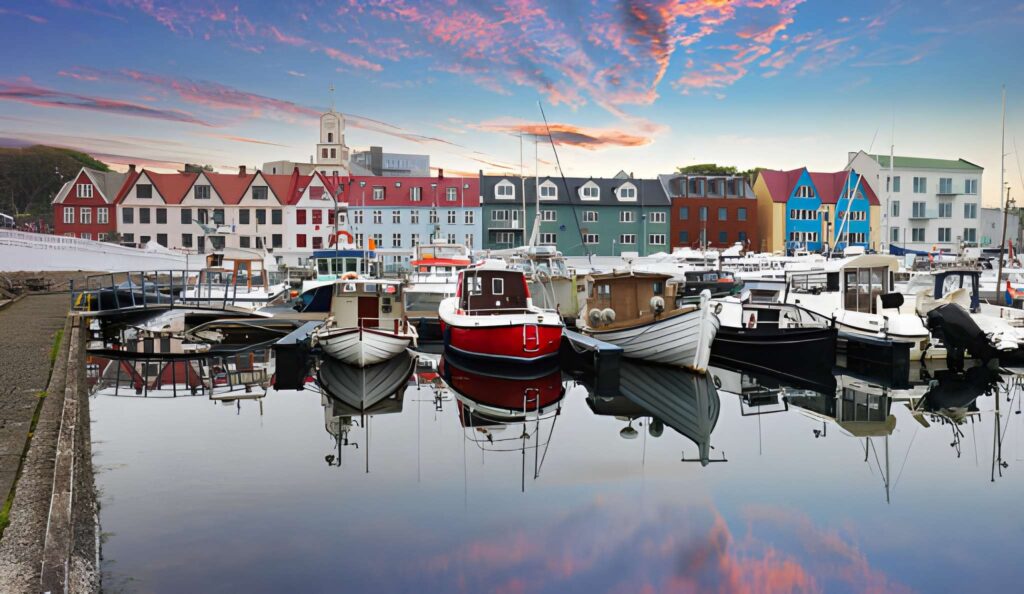
For many travellers, Faroe Islands hiking is the highlight of the entire trip.
There are routes for different abilities, from relatively easy walks to challenging mountain trails. Some paths lead along cliffs, while others connect traditional villages across the mountains.
Popular hiking experiences include the route around Sørvágsvatn, the trail towards Kallur Lighthouse and climbs in the northern islands.
The islands have more than 300 kilometres of marked hiking trails, according to the official tourism board. Conditions can change quickly, however, so visitors should check the weather and prepare properly before starting a hike.
Good waterproof footwear is particularly important. The combination of rain, wind, grass and uneven ground can make some trails more difficult than they initially appear.
3. Visit the Village of Gjógv
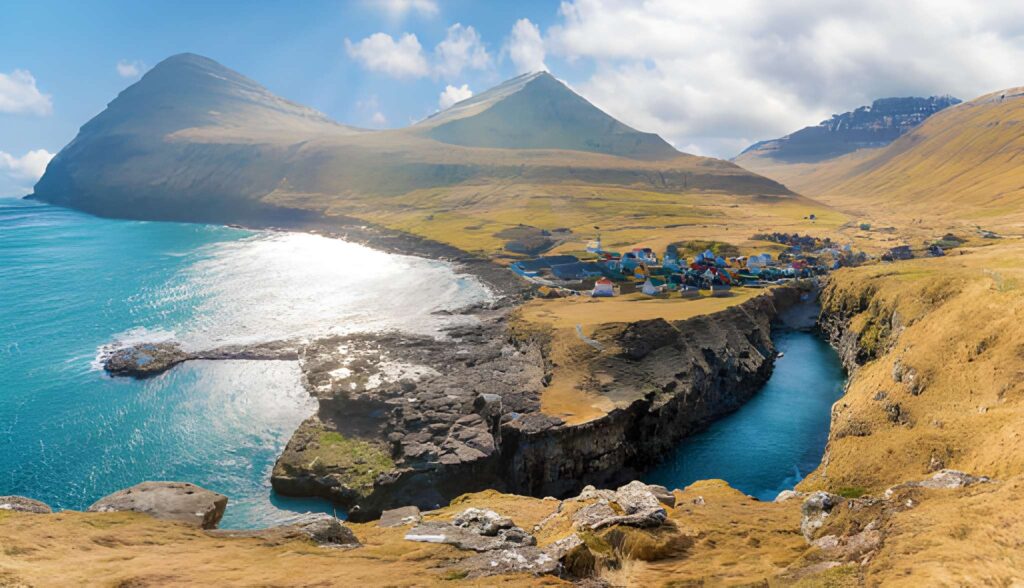
Gjógv is one of the most picturesque villages in the Faroe Islands.
The village is famous for its natural harbour, colourful houses and spectacular surroundings. Mountains surround the settlement, while the Atlantic Ocean creates a dramatic backdrop.
It is an excellent place to experience the quieter side of Faroese life and to enjoy a walk through a traditional village.
4. Discover Mykines and Its Puffins
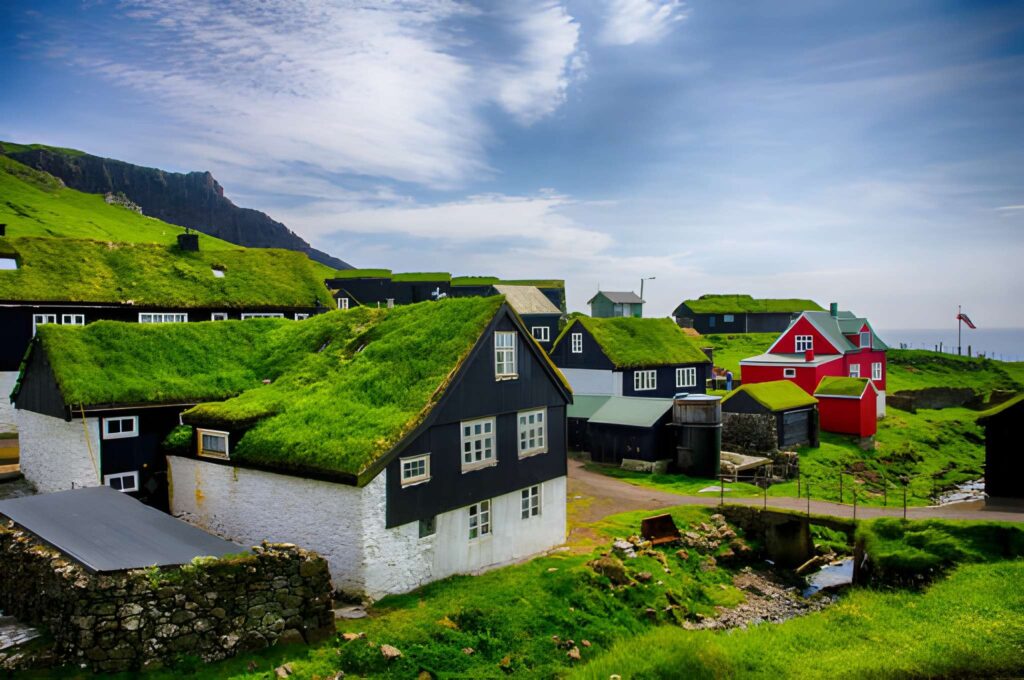
If wildlife is one of your reasons for visiting the Faroe Islands, Mykines deserves a place on your itinerary.
The island is particularly famous for its seabirds and Atlantic puffins. During the breeding season, the cliffs become home to large numbers of seabirds.
Puffins generally arrive in the Faroe Islands from around late April and remain until late August or early September. Visitors should keep their distance from nesting birds and stay on designated paths to avoid disturbing wildlife.
For photographers and bird lovers, seeing puffins flying around the cliffs is one of those experiences that can make a trip unforgettable.
5. See Kallur Lighthouse
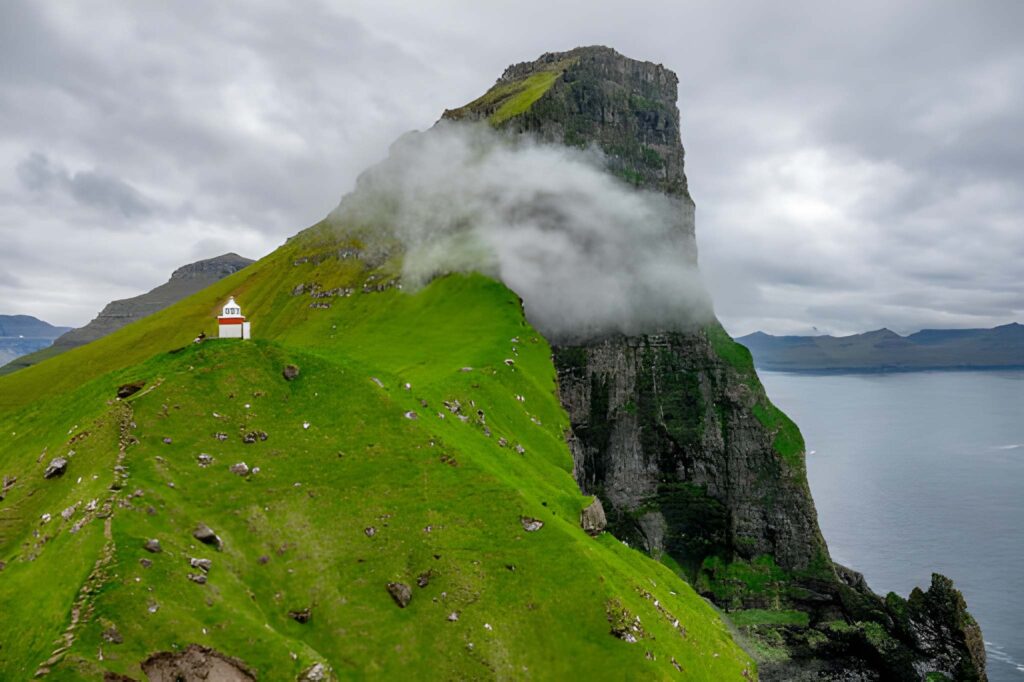
Located on Kalsoy Island, Kallur Lighthouse has become one of the most recognisable sights in the Faroe Islands.
Getting there is part of the adventure. The journey takes you through one of the archipelago’s remote landscapes before reaching the northern part of Kalsoy.
From the area around the lighthouse, visitors can enjoy impressive views of the surrounding mountains and the Atlantic Ocean.
Because access rules and hiking fees can change, it is worth checking the latest official information before visiting.
The Weather in the Faroe Islands
The Faroe Islands weather is famous for being unpredictable.
The islands have a cool oceanic climate, and conditions can change surprisingly quickly. Rain, fog, sunshine and strong winds can all appear during the same day.
Summer temperatures are generally cool rather than hot, with average conditions around 10–13°C from June to August. Winter is relatively mild for such a northern destination, although wind, rain and occasional snow can make outdoor activities more challenging.
This means that packing for the Faroe Islands requires a different approach from packing for a typical summer holiday.
Bring:
- A waterproof jacket
- Waterproof hiking shoes or boots
- Warm layers
- Comfortable outdoor clothing
- Gloves and a hat
- A small backpack for hiking
- A power bank for longer outdoor days
The most important rule is simple: check the weather before heading into the mountains.
When Is the Best Time to Visit the Faroe Islands?
The best time to visit the Faroe Islands depends on what you want to experience.
Summer: June to August
Summer is the most popular period for travellers. The days are long, hiking conditions are generally more favourable and seabirds are present around the cliffs.
It is also the best period for travellers who want to combine hiking, sightseeing and wildlife experiences.
Spring: April to May
Spring brings longer days and the return of many seabirds. The landscape begins to look increasingly green, while tourism is generally quieter than during the summer months.
Autumn: September to October
Autumn can be an excellent choice for photographers. The combination of changing weather, mist, mountains and dramatic skies creates a very different atmosphere.
Winter: November to March
Winter is the wildest season. Days are much shorter and weather conditions can be challenging, but travellers looking for solitude and dramatic landscapes may find this period particularly rewarding.
How to Get Around the Faroe Islands
Getting around the Faroe Islands is easier than the remote location might suggest.
Roads, bridges and subsea tunnels connect many parts of the archipelago. Renting a car is a popular option because it gives travellers flexibility and makes it easier to explore villages and viewpoints at their own pace.
Public buses and ferries are also available, making it possible to travel without a car.
Drivers should be prepared for narrow roads and one-lane tunnels. Some rural roads can also be challenging in poor weather.
If you rent a car, take your time and follow local road rules. The scenery may be spectacular, but safety should always come first.
How Many Days Do You Need in the Faroe Islands?
A trip of around 5 to 7 days in the Faroe Islands is a good starting point for travellers who want to experience several parts of the archipelago.
With three or four days, it is better to concentrate on a smaller area instead of trying to visit too many islands.
With a week or longer, you can combine Tórshavn, northern villages, hiking routes, coastal landscapes and wildlife experiences.
The most enjoyable trips usually leave some flexibility in the schedule. Because the weather can change quickly, having an extra day for a cancelled hike or boat trip can be extremely useful.
Travel Responsibly in the Faroe Islands
The beauty of the Faroe Islands also means that visitors have a responsibility to protect the environment.
Stay on marked paths whenever possible, respect private land and avoid disturbing sheep and birds. Some hiking routes cross areas used by local farmers, while others may have access restrictions or fees.
The official hiking guidance recommends checking the route and weather beforehand, avoiding hiking in poor visibility and letting someone know where you are going.
Responsible tourism is particularly important in a small and fragile destination like the Faroe Islands.
Is a Trip to the Faroe Islands Worth It?
Absolutely — especially if you prefer experiences over traditional sightseeing.
The Faroe Islands are not a destination for travellers looking for beaches, hot weather and large resorts. They are better suited to people who enjoy dramatic landscapes, hiking, photography, wildlife and quiet villages.
You might spend one morning walking through a peaceful village, the afternoon standing beside a waterfall and the evening watching the fog move across the mountains.
That variety is what makes Faroe Islands travel so memorable.
Final Thoughts
The Faroe Islands offer something that is becoming increasingly difficult to find in Europe: a genuine feeling of remoteness.
From the colourful streets of Tórshavn to the cliffs of Mykines and the dramatic landscapes around Kalsoy, every part of the archipelago has its own character.
The weather can be unpredictable, the roads can be challenging and some hikes require preparation. But those small difficulties are part of the experience.
If you are looking for a destination where nature is the main attraction, the Faroe Islands deserve a place on your travel list.