

Norway is one of those destinations that can completely change the way you see nature. You can leave a busy city in the morning and, a few hours later, find yourself surrounded by mountains, waterfalls, deep blue fjords or quiet villages.
For many travelers, Norway is first associated with the Northern Lights. But there is much more to discover. From the colorful streets of Bergen to the dramatic landscapes of the Lofoten Islands, Norway offers a different experience in almost every region.
If you are planning a trip and wondering where to go, what to see and when to visit, this Norway travel guide will help you build a trip that suits your style.
Why Travel to Norway?

The first thing you notice in Norway is the landscape.
Mountains rise almost directly from the sea. Waterfalls appear between green valleys, and small houses sit beside fjords that seem to stretch forever. Even traveling between two destinations can become part of the experience.
Norway is also a great destination if you enjoy outdoor activities. Hiking, kayaking, scenic road trips, fishing and boat trips are all popular ways to explore the country.
Another reason travelers choose Norway is the possibility of seeing the Northern Lights. During the darker months, northern parts of the country become one of the best places in Europe to look for this natural phenomenon.
But you don’t have to visit Norway in winter to enjoy it. Summer brings long days, green landscapes and excellent conditions for hiking and road trips.
Best Places to Visit in Norway
Norway is a large country, so trying to see everything in one trip is rarely a good idea. Instead, choose a few areas and give yourself enough time to enjoy them.
Oslo
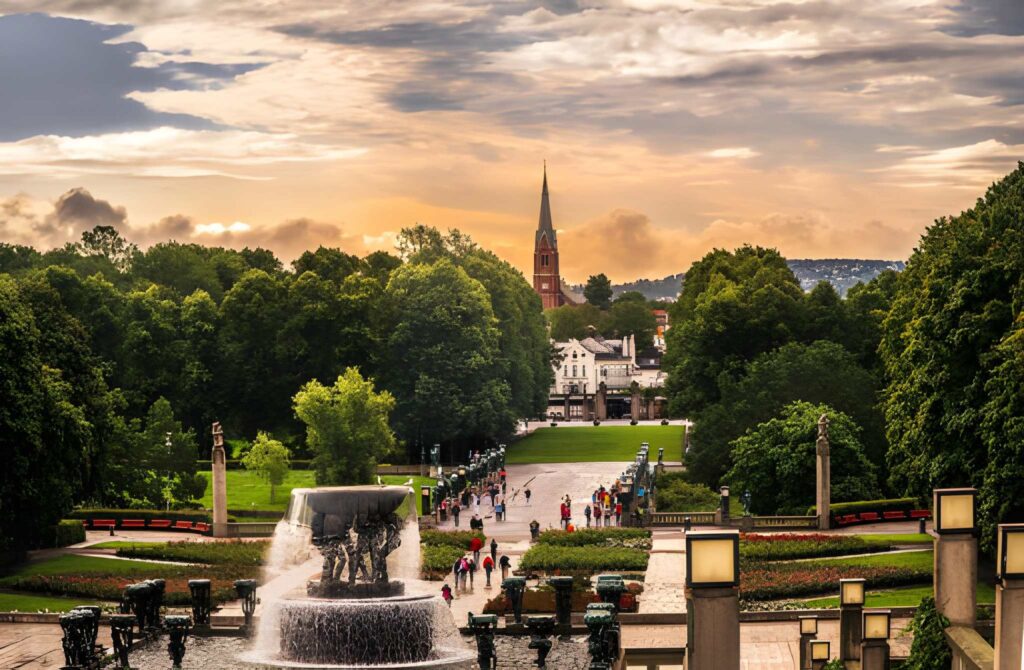
Oslo is usually the easiest starting point for a trip to Norway.
The capital has a very different atmosphere from many European capitals. It feels modern and urban, but nature is never far away. You can explore museums and restaurants in the city and still reach forests, islands and walking trails without traveling far.
The Oslo Opera House is one of the city’s most recognizable landmarks. The waterfront around it is also a pleasant place to walk, especially during the warmer months.
If you have time, visit the museums on Bygdøy and explore some of the city’s green spaces before continuing your journey toward the fjords.
Bergen
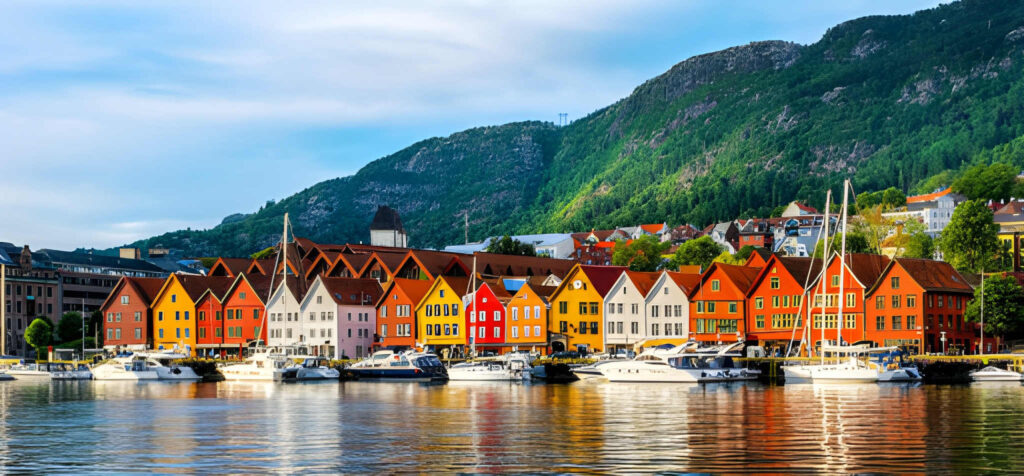
Bergen is one of the most attractive cities to include in a Norway itinerary.
The historic Bryggen waterfront, with its colorful wooden buildings, is probably the image most people recognize. The city is surrounded by mountains and is often used as a gateway to the fjords.
One of the easiest ways to get a panoramic view is to take the Fløibanen funicular toward Mount Fløyen. From the top, you can look back over Bergen, the harbor and the surrounding landscape.
Bergen is also a good place to slow down for a day or two before heading into the countryside.
The Norwegian Fjords
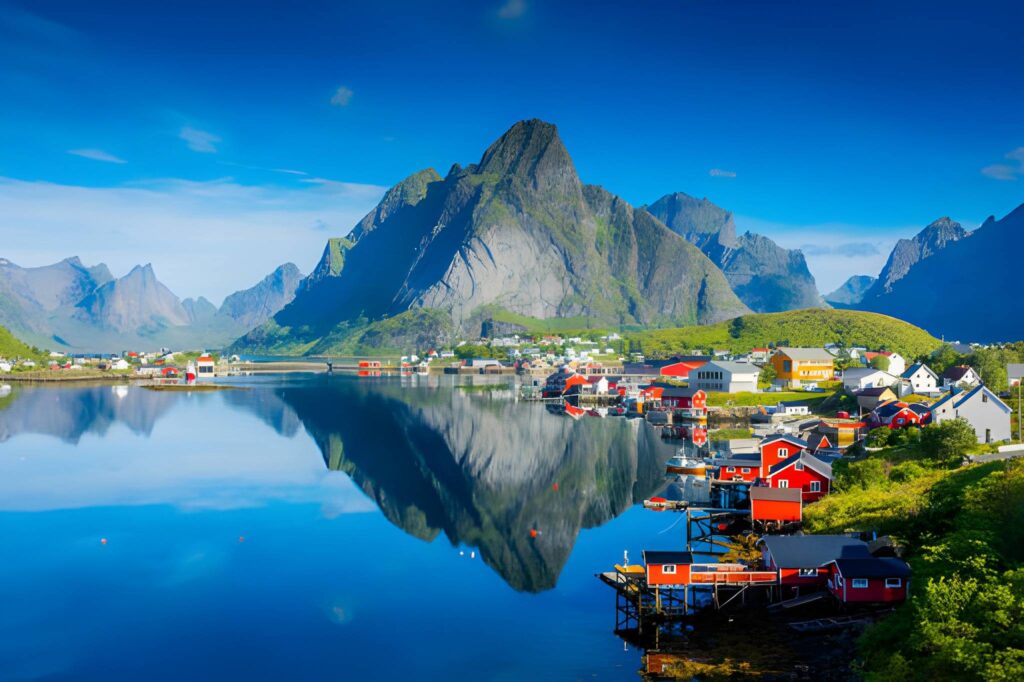
The fjords are probably the biggest reason people dream about traveling to Norway.
These enormous waterways cut deep into the landscape, surrounded by steep mountains and waterfalls. Some areas look almost unreal, especially when viewed from a boat or from a mountain trail.
The Geirangerfjord is one of the most famous, while the Nærøyfjord is another spectacular option.
A fjord cruise is a classic experience, but you can also explore the region by car, train, kayak or on foot.
If you enjoy photography, don’t rush this part of the trip. The weather can change quickly, and the same landscape can look completely different under sunshine, clouds or mist.
Lofoten Islands

The Lofoten Islands are among the most spectacular places in Norway.
Sharp mountains rise from the sea, small fishing villages sit along the coastline and red cabins stand out against the landscape.
Reine is one of the most photographed villages in the region, but the real attraction is the journey between the different islands and villages.
Lofoten is particularly popular with hikers and photographers. In summer, the long daylight hours give you plenty of time to explore.
In winter, the scenery becomes completely different. Snow-covered mountains and dark skies create ideal conditions for Northern Lights trips.
Tromsø

If seeing the Northern Lights is high on your list, Tromsø is one of the places worth considering.
Located in northern Norway, Tromsø has become a popular base for winter trips. Besides Northern Lights excursions, you can find activities such as dog sledding, snowshoeing and other Arctic experiences.
The city itself is compact, so you can combine outdoor activities with restaurants, cafés and museums.
Keep in mind that the Northern Lights are a natural phenomenon. No tour company can guarantee that you will see them, even when conditions look promising.
When Is the Best Time to Visit Norway?
There is no single best month to visit Norway. The right time depends on what you want to experience.
Norway in summer
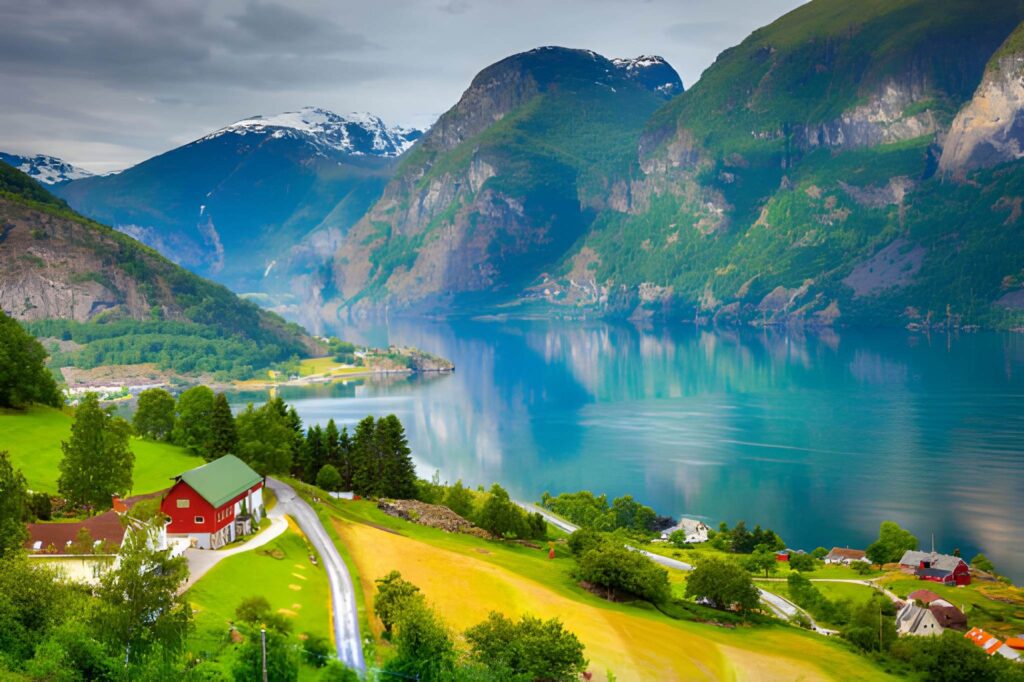
Summer is ideal for hiking, road trips and exploring the fjords.
The days are extremely long, especially in northern Norway, where the midnight sun can keep the sky bright late into the night.
Temperatures are generally more comfortable for outdoor activities, although Norwegian weather can still be unpredictable.
If your main goal is hiking and exploring the countryside, summer is one of the easiest seasons for a first trip.
Norway in autumn
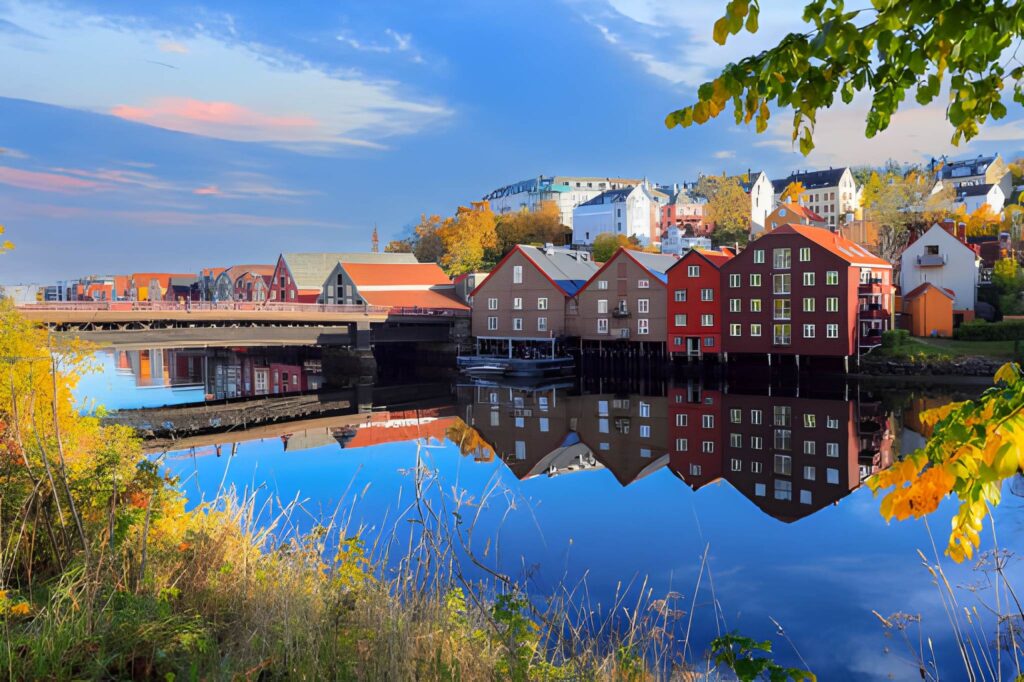
Autumn brings changing colors and fewer visitors in many places.
The mountains can become particularly beautiful as the vegetation turns yellow, orange and red.
However, daylight becomes shorter and weather conditions can change quickly, so flexibility is important.
Norway in winter

Winter is the season to consider if your main goal is the Northern Lights.
Northern destinations such as Tromsø and Lofoten become popular with travelers looking for snowy landscapes and Arctic experiences.
Winter also means shorter days, colder temperatures and potentially difficult road conditions. Good preparation is essential.
Norway in spring

Spring can be a quieter period to explore Norway.
Snow may still cover the mountains while lower areas begin turning green. Waterfalls can also be particularly impressive as snow melts.
The downside is that some hiking routes and mountain roads may still be closed because of snow.
How Many Days Do You Need in Norway?
For a first visit, around 7 to 10 days can give you a good introduction to Norway.
With seven days, you could focus on Oslo, Bergen and the fjord region.
With ten days or more, you can add another destination such as the Lofoten Islands or Tromsø, depending on the season.
Trying to travel from Oslo to the far north and back in only a few days can make the trip feel rushed.
Norway is a country where the journey itself is part of the experience. Sometimes spending an extra night in a small village is more rewarding than adding another destination to your itinerary.
How to Travel Around Norway
Norway has several good options for getting around.
Train
Train travel can be a great way to enjoy the scenery without worrying about driving.
The journey between Oslo and Bergen is particularly well known for its landscapes.
Car
Renting a car gives you more freedom, especially if you want to explore smaller villages and scenic routes.
It is a good option for a fjord-focused trip or a road trip through western Norway.
However, driving conditions can be challenging in winter, and some mountain roads are seasonal.
Ferries and boats
Ferries are an important part of traveling around Norway, especially in the fjord regions.
Instead of thinking of them only as transportation, consider them part of the sightseeing experience.
How Much Does a Trip to Norway Cost?
Norway is not usually considered a budget destination.
Accommodation, restaurants, transportation and activities can add up quickly, particularly during the busiest summer and winter periods.
There are still ways to control your budget.
Booking accommodation in advance, staying outside the most expensive city centers and preparing some meals yourself can make a noticeable difference.
Public transportation can also be useful when you are visiting major cities and popular tourist areas.
If you are planning a road trip, remember to include fuel, parking, ferries and possible tolls in your budget.
What to Pack for Norway
Your packing list will depend heavily on the season and region.
For most trips, comfortable waterproof shoes are a good idea. A waterproof jacket is also useful because rain can arrive unexpectedly.
For hiking, bring layers rather than relying on one heavy piece of clothing. Conditions can be very different at the top of a mountain compared with a city at sea level.
For winter trips to northern Norway, proper thermal layers, gloves, a warm hat and insulated footwear are essential.
And don’t forget a camera. Norway has a habit of making you stop every few minutes to take another photo.
Norway Travel Tips for First-Time Visitors
A little preparation can make your trip much easier.
Don’t plan every minute. Norway is about landscapes and slow travel. Leave some space in your itinerary.
Check the weather before hiking. Conditions in the mountains can change quickly.
Book popular accommodation early. Summer and Northern Lights season can be busy.
Bring layers. Norwegian weather is not always predictable.
Respect nature. Stay on marked trails where required, take your rubbish with you and follow local regulations.
Allow extra driving time. Mountain roads, ferries and scenic stops can make a journey much longer than it looks on a map.
Don’t rely completely on seeing the Northern Lights. Enjoy the destination itself, even if the lights decide not to appear.
Is Norway Worth Visiting?
Absolutely, especially if you enjoy nature, photography, hiking and road trips.
What makes Norway special isn’t only one famous attraction. It is the combination of mountains, fjords, islands, forests, small towns and changing light.
You might spend the morning walking through a city, the afternoon cruising between mountains and the evening watching the sky change colors over a quiet fjord.
That is the kind of trip Norway does particularly well.
For a first visit, don’t try to cover the entire country. Choose a region, slow down and give yourself enough time to actually experience it.
Norway is not a destination you need to rush through. In many cases, the best memories come from the moments you didn’t plan.